Back to news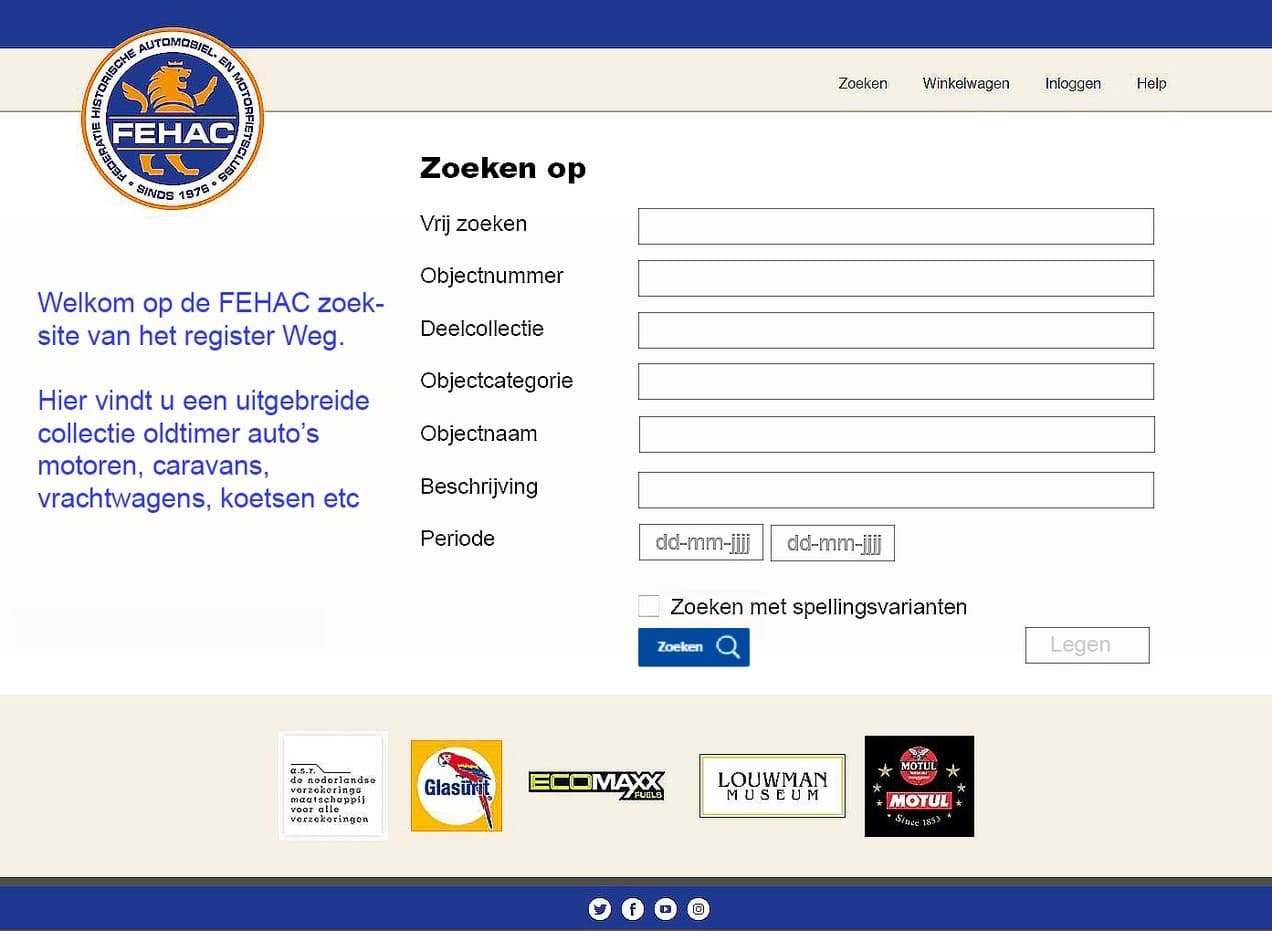
Heritage23 November 2023·9 min
FEHAC Newsletter NRME, Mobile Heritage Register
The FEHAC Mobile Heritage Register is (almost) ready to be filled. After some fifteen years of thinking, talking, trying and learning, the Mobile Heritage Register is now available in test configuration. After a thorough test and evaluation phase, the final version will follow, after which it will be filled.
"A celebratory moment," says Stefan Hulman, chair of the FEHAC. The register matters because the government has been pressing for an official heritage register since the late 1990s. It forms a strategic tool for policy making, both for the government and for the FEHAC. The growing political pressure on owners of classic vehicles, such as debates on road tax, pay-per-use charging and environmental rules, means that the FEHAC must further strengthen its role as a representative body. The register is essential to that.
## From enthusiast federation to heritage custodian
Over the years, the role of the FEHAC has changed. From a federation of enthusiast clubs, it has grown into a body representing anyone who wants to preserve mobile heritage. Since the introduction of the Dutch Heritage Act in 2016, the FEHAC has increasingly been seen as the custodian of mobile heritage. The register will become the online catalogue in which vehicles are recorded by clear criteria. It will be accessible to the public, clubs and owners and will support the heritage marker in the RDW vehicle register.
## What goes into the register?
The exact definition of mobile heritage has yet to be finalised in consultation with the FEHAC, Mobiele Collectie Nederland and the government. Criteria under consideration include age, authenticity, state of maintenance and completeness. The register will organise vehicles by make and model, and will also include non-registered objects such as carriages, carts, sleds and steam rollers.
## Safety and privacy
The register does not contain names and addresses of owners. Data is not shared with commercial parties and downloading vehicle records is not possible. A robust login protocol is being developed for security.
Software supplier Deventit delivers the Atlantis software, which is also used by the Dutch Railway Museum and the Louwman Museum, among others. Twenty volunteers from affiliated clubs are currently testing the system in an environment with room for around a million vehicles, including imported RDW data.
## Next steps
Once the evaluation is complete, applications for owners and clubs will be rolled out. Work is also under way to connect additional sources such as NCAD and CONAM. To keep operating costs manageable, sectors and clubs can use the software for a fee. Ideas include a FEHAC helpdesk for reporting errors in vehicle registrations and a national FEHAC roadshow with information sessions.
The foundation has been laid: the FEHAC is taking the final step toward a full Mobile Heritage Register for all enthusiasts and owners of classic vehicles.